

Due to the dynamic nature of the power sector, transformer oil analysis in India has become a crucial component of electrical infrastructure maintenance. Extending beyond the scope of a routine inspection, this diagnostic technique serves as a tool for diagnosing and predicting the transformer operation, ensuring a reliable and continuous supply of electricity across diverse regions.
Imperative need for transformer oil analysis
The need for transformer oil analysis in India cannot be overstated. This procedure is required for detecting potential issues within transformers, which serve as an integral component of the national power grid. Analyzing the oil, engineers can understand the actual state of a transformer and predict its performance. This foresight is crucial to averting the failures, minimizing the downtime, and ensuring the longevity of these power assets. Through this analysis, technicians can detect signs of wear, contamination, and degradation, which are key to scheduling the timely maintenance and preventive actions.
Parameters for basic transformer oil analysis
Conducting a basic transformer oil analysis involves evaluating the following array of parameters:
- Dielectric Strength: the test evaluates the ability of oil to withstand electrical stress. Lower dielectric strength indicates a higher likelihood of electrical failures within the power equipment.
- Moisture Content: water is a critical threat to transformer oil, as it degrades its insulating properties. Accurate measurement of moisture content is essential for maintaining the integrity of oil and, consequently, the overall integrity of transformer.
- Tangent Delta Test: the test measures the dissipation factor (or loss angle) of transformer oil, which is critical for evaluation of its insulating quality. A decrease in tangent delta values indicates the insulation degradation, which potentially reduces the transformer efficiency and poses a component failure risk.
- Interfacial Tension (IFT): the test helps in detecting the presence of polar compounds and contaminants. A decrease in IFT values may indicate the presence of oxidation products, which signals the onset of oil aging or contamination.
Each of these tests provides essential data points that offer a comprehensive overview of transformer state when combined. These data are useful in making informed decisions on maintenance strategies for efficient operation of the power grid in India.
Parameters for comprehensive transformer oil analysis
In addition to basic tests, a comprehensive transformer oil analysis allows professionals to delve deeper, incorporating a broader range of parameters that provide a more detailed understanding of the transformer state:
Dissolved Gas Analysis (DGA): this advanced test helps in detecting the gases, such as hydrogen, methane, and ethylene, dissolved in insulating oil. These gases may indicate various types of transformer issues, such as overtemperature, arcing, or insulation degradation. DGA is crucial to preventive maintenance, allowing for early detection of faults that might not be evident during other tests.
Furan Analysis: this parameter evaluates the concentration of furan compounds in oil; furans are byproducts of the windings insulation degradation. High levels of furans suggest significant aging of insulation, providing insight into the internal state of transformer, which is otherwise not visible.
Particle Count: the test measures the size and number of particulate contaminants in oil. This test evaluates the purity of oil and identifies the potential wear and tear of transformer components.
PCB Content: a test for polychlorinated biphenyls (PCBs) is a must, given their toxic nature and the environmental hazards they pose. The PCB test ensures compliance with environmental safety standards and evaluates contamination levels in older transformers that might still contain PCBs.
These comprehensive tests offer a more comprehensive insight into the transformer state, allowing for more precise and targeted maintenance interventions. This in-depth analysis is key to extending the lifespan of transformers and ensuring their optimal performance in the challenging power distribution environments of India.
GlobeCore instruments for transformer oil analysis in India
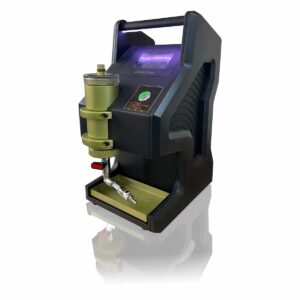
GlobeCore‘s contribution to transformer oil analysis in India is marked by development of instruments that favorably alter the analysis procedure. These instruments facilitate both basic and comprehensive analyses.
One of the distinctive features of GlobeCore equipment is the variety of capabilities that enables accurate measurements across a wide range of parameters, including dielectric strength, moisture content, and tangent delta. This accuracy is critical for diagnosing and predicting the state of transformers in the diverse power system landscape of India. Additionally, GlobeCore instruments are known for their ease of use. The user interfaces are intuitively designed, which makes complex testing procedures intelligible even to personnel with limited technical expertise.
The capability of rapid data analysis is another aspect for which GlobeCore instruments are distinguished. In an industry where timely decision-making can prevent catastrophic failures and costly downtimes, it is essential to have access to immediate and accurate data. This feature allows for rapid identification and rectification of issues, improving the overall efficiency of maintenance procedures.
Furthermore, GlobeCore‘s commitment to versatility and adaptability is evident in their wide range of instruments. These instruments can handle different types of transformer oil and are adaptable to various testing scenarios, which makes them a versatile choice for diverse applications within India’s electric power sector. This adaptability ensures that regardless of the transformer oil type or the specific requirements of testing procedure, GlobeCore instruments can deliver reliable and consistent results.
Advantages of GlobeCore instruments
The integration of GlobeCore instruments in transformer oil analysis practices in India significantly elevates the standards of maintenance and reliability in the electric power sector owing to their features listed below:
- Advanced Technology with accurate and reliable measurements.
- User-Friendly Design that simplifies complex testing procedures.
- Real-Time Analysis providing immediate data for informed decision-making.
- Versatility capable of handling a wide range of oils and testing needs.
These instruments have become essential components in ensuring the proper functionality and performance of transformers, ultimately contributing to the stability and efficiency of India’s electric power infrastructure.
 Oil Tan Delta ...
 Hydrogen and Moisture ...
 Breakdown Voltage Tester ...