
Dissolved Gas Analysis of transformer oil in India is an important process, integral to ensuring the longevity of energy infrastructure in a country that experiences rapid industrial and technological growth. This process combines chemistry with electrical engineering and serves as a silent sentinel against future failures in these critical power assets. Analyzing the gas content of transformer oil allows the dedicated professionals to glean invaluable insights regarding the internal workings and potential failures, which makes Dissolved Gas Analysis (DGA) an indispensable tool in the Indian electrical power sector.
Intricacies of typical dissolved gas analysis of transformer oil in India
Dissolved Gas Analysis (or DGA) of transformer oil in India is an intricate process that begins with collection of oil samples. This first step is critical, as it forms the basis for accurate analysis. The samples are carefully collected to prevent contamination, which could skew the results. Once collected, the samples are delivered to laboratories equipped with complex gas chromatography equipment.
In a laboratory setting, the Dissolved Gas Analysis procedure is carried out by heating the insulating oil. This heating process initiates the release of various gases dissolved in oil. The spectrum of gases released typically includes hydrogen, oxygen, nitrogen, carbon monoxide, carbon dioxide, ethylene, and methane. Each gas acts as an apparent indicator of specific types of faults within a transformer. For example, elevated concentrations of hydrogen and methane are often indicative of low-energy arcing, whereas increased amounts of ethylene and ethane normally indicate overtemperature.
The gas chromatography equipment separates these gases and measures their concentrations. This separation is achieved through a column within a chromatograph, wherein gases migrate at different rates, allowing for their analysis. The results are then meticulously analyzed by professionals who interpret the gas patterns to diagnose potential issues in the transformer. This method is particularly effective in identifying the problems before they escalate into major failures, thereby playing a crucial part in predictive maintenance.
Diagnostic evaluation of transformer damage through Dissolved Gas Analysis
Another aspect of Dissolved Gas Analysis of transformer oil involves interpreting the data obtained from gas chromatography to diagnose potential transformer damage. This diagnostic evaluation process is based on understanding the sources and implications of each gas.
Hydrogen: oftentimes, it is the first gas to develop in faulty conditions; hydrogen may indicate a range of issues from overtemperature to arcing.
Carbon Monoxide and Carbon Dioxide: these gases typically occur due to degradation of paper insulation. A high carbon monoxide-to-carbon dioxide (CO/CO2) ratio may indicate severe degradation of paper insulation.
Methane, Ethylene, and Ethane: these hydrocarbon gases develop at various temperatures and may indicate the severity level of thermal faults.
Oxygen and Nitrogen: while less diagnostic, changes in their levels can provide insights into oil degradation or external contamination.
Knowing the ratios of these gases, engineers can determine the type and severity of faults within a transformer. For example, elevated hydrocarbon concentrations are associated with thermal faults, whereas increased hydrogen and carbon monoxide levels may indicate electrical discharges or insulation degradation.
DGA makes it possible to detect faults, as well as their progression over time. This temporal analysis allows for predictive maintenance, where actions can be taken to rectify the problems before they escalate into transformer failure or malfunctioning. Consequently, DGA is not merely a tool for maintenance, but a strategy for extending the service life and enhancing the reliability of transformers in India’s power grid.
Hydrogen: the foremost indicator in chromatographic analysis of transformer oil
The role of hydrogen in the chromatographic analysis of transformer oil, especially in the context of Dissolved Gas Analysis in India, is highly significant. As the lowest and lightest of all gases, hydrogen often forms the initial by-product of various faulty conditions within a transformer. Therefore, hydrogen detection is key to early identification of potential issues.
Hydrogen develops in a transformer for various reasons:
Electrical Disturbances: these include arcing, corona discharge, and partial discharges, which serve as primary contributors to hydrogen development. These disturbances may occur due to insulation degradation, loose connections, or other electrical abnormalities within a transformer.
Overtemperature: excessive heat may cause degradation of oil and solid insulation, generating hydrogen among other gases. Different temperatures produce different gas patterns, with hydrogen being one of the first detectable indicators of thermal stress.
Detection and Analysis
Detection of hydrogen in transformer oil involves sophisticated technology and methods:
Gas Chromatography: this method separates hydrogen from other gases dissolved in oil, allowing for accurate measurement of hydrogen concentration. The chromatograph uses a column that differentiates gases based on their migration rate, ensuring efficient isolation of hydrogen for quantification.
Solid-State Sensors: some advanced setups use solid-state sensors immersed in transformer oil to ensure continuous monitoring of hydrogen. These sensors are highly selective and can detect even minute changes in hydrogen concentration, providing real-time data for predictive maintenance.
Importance of hydrogen measurement
Early Fault Detection: the presence of hydrogen, even in small amounts, can be an early warning sign of developing faults. This early detection is crucial to preventing minor issues from escalating into major failures.
Thermal Fault Grading: analyzing the hydrogen generation rate and the hydrogen concentration relative to other gases allows it to grade the severity of thermal faults within a transformer.
Challenges in hydrogen analysis
Sensitivity: hydrogen detection requires high-precision equipment, as hydrogen is often present in low concentrations, especially in the early stages of fault development.
Interference by Other Gases: while hydrogen is a key indicator, its interpretation should be done in the context of other gases contained in oil. This requires a comprehensive analysis strategy that factors in a complete gas profile.
Express Analysis of Hydrogen Content with the use of TOR-2 tester
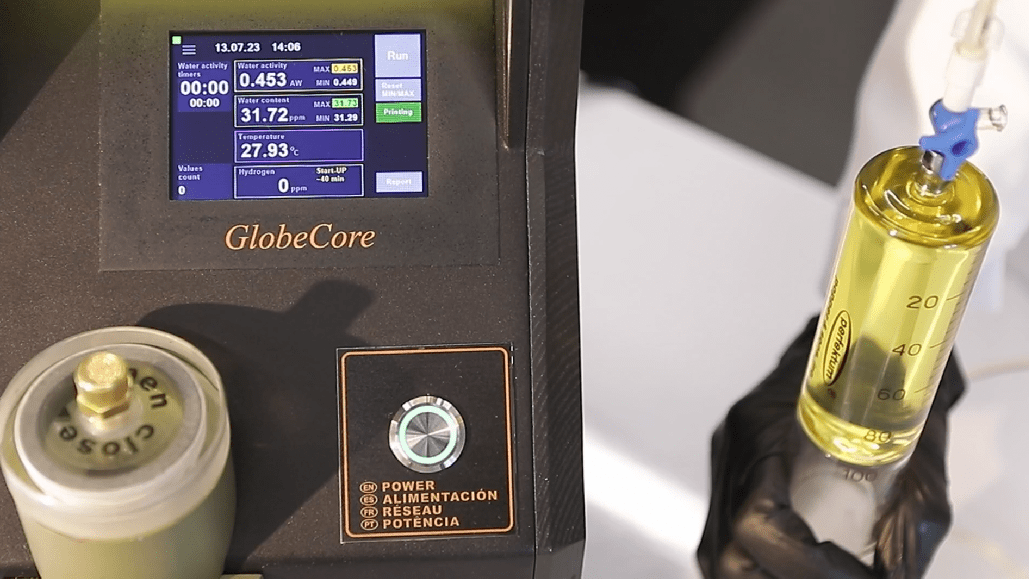
For determination in Dissolved Gas Analysis of transformer oil in India, more customers use a TOR-2 transformer oil express tester particularly for express analysis of hydrogen content. This tester provides rapid and accurate insights into the transformer state.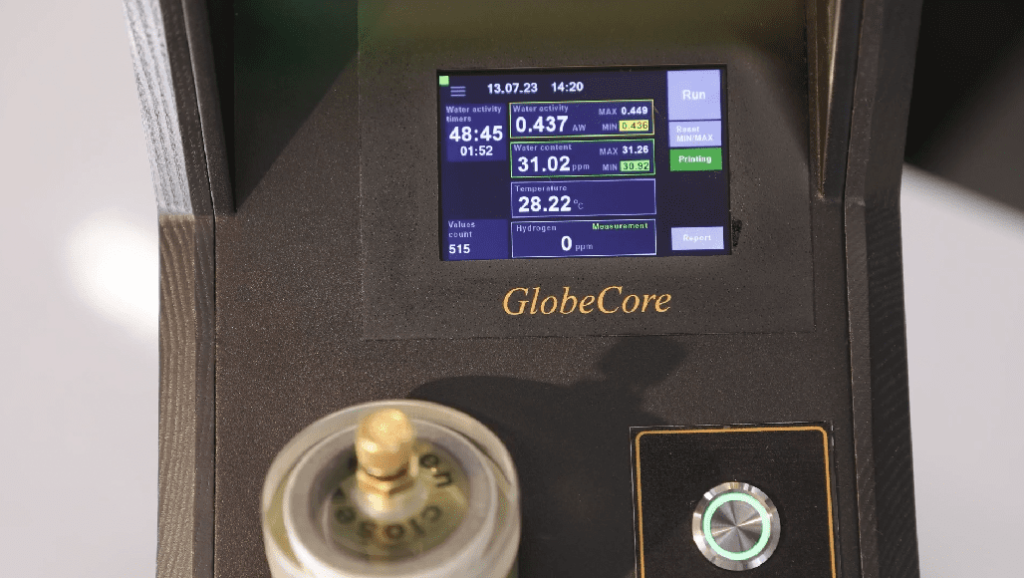
The TOR-2 tester employs a highly selective solid-state sensor that is immersed in mineral oil. This direct access to hydrogen content measurement is what sets the TOR-2 apart, providing immediate and accurate readings.
The solid-state sensor used in the TOR-2 is specifically designed to detect hydrogen at very low concentrations, which is determinant for early fault detection. Its accuracy is pivotal in the predictive maintenance of equipment, ensuring that even minute changes in hydrogen levels are detected.
Unlike conventional methods that require submitting the oil samples to laboratories, the TOR-2 allows for on-site, real-time monitoring. This capability supports immediate decision-making and action, which is essential for proactive management of transformer state.
The TOR-2 provides prompt results, which are essential for time-sensitive situations where immediate decisions can prevent further damage to the transformer.
Designed with operational simplicity in mind, the TOR-2 requires minimum technical expertise to operate. Changing the sample just requires replacing the detachable test oil cup and pressing the start button for measurement.
The tester is suitable for use with a variety of transformer oils, which includes mineral and ester-based insulating oils.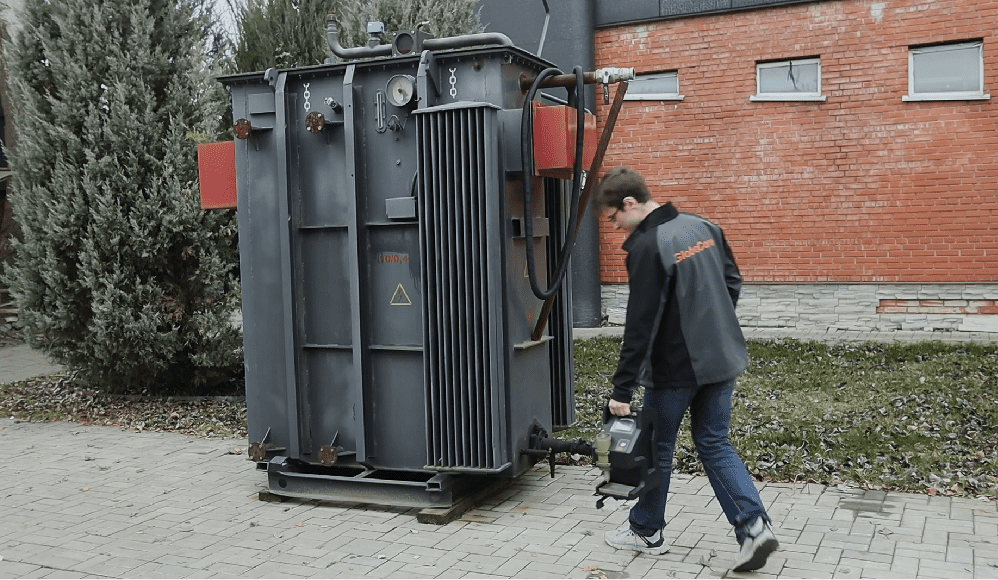
Advantages of Dissolved Gas Analysis with TOR-2 tester
The TOR-2 tester offers a number of advantages that make it an invaluable tool for Dissolved Gas Analysis of transformer oil in India.
- Moisture and Hydrogen Detection: it can detect both moisture and hydrogen even in small amounts, providing a comprehensive overview of transformer state.
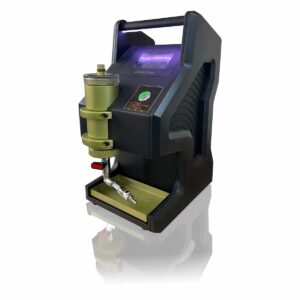
- Compact Dimensions and Portability: its small dimensions make it easily portable, allowing for on-site testing in various locations and environments.
- Maintenance-Free and Cost-Effective: the tester requires no consumables for measurements and minimum maintenance, making it a cost-effective solution for long-term transformer monitoring.
- Reliability of Measurements: other gases contained in oil do not affect the reliability of TOR-2 measurements, ensuring accurate hydrogen and moisture readings regardless of the gas-in-oil content.
- Easy Calibration Process: the TOR-2 is very easy to calibrate, which ensures consistent accuracy and reliability in its readings.
In summary, the TOR-2 tester for dissolved gas analysis of transformer oil represents a significant advancement in mineral oil analysis. Its capability of providing the prompt, accurate, and comprehensive data on hydrogen and moisture content makes it a useful tool for predictive maintenance and long-term management of transformers in the dynamic and ever-growing electrical power sector of India.
 Hydrogen and Moisture ...